Quick yoga routine: Finding time for a complete yoga session can be challenging in our busy lives, yet the benefits of even a short practice are substantial. A 10-minute yoga flow specifically designed to improve flexibility offers an accessible solution for those with packed schedules. This quick routine targets key muscle groups, promotes better circulation, and helps release tension that accumulates throughout the day. The beauty of this approach lies in its efficiency – you don’t need expensive equipment, a dedicated yoga space, or hours of free time to experience meaningful improvements in your body’s flexibility and overall wellbeing.
The Science Behind Quick Yoga Flows for Flexibility
Research supports the effectiveness of short yoga routines for improving flexibility. When we hold yoga poses, even briefly, we engage in a form of active stretching that signals muscle fibers to lengthen. This process, known as myofascial release, helps break down the adhesions that form in connective tissues and restrict movement. A consistent 10-minute yoga practice triggers physiological responses that gradually increase range of motion in joints and muscles. The combination of breath work and gentle stretching activates the parasympathetic nervous system, allowing muscles to relax more deeply and achieve greater extension than possible through static stretching alone.

Essential Poses in a Quick Yoga Routine for Flexibility
A well-designed 10-minute yoga flow incorporates specific poses that target multiple muscle groups simultaneously for maximum efficiency. The sequence typically begins with gentle warm-up movements before progressing to deeper stretches. The flow should include poses that address commonly tight areas such as the hamstrings, hip flexors, shoulders, and spine. Transitions between poses are smooth and deliberate, creating a continuous movement pattern that maintains elevated heart rate while progressively increasing range of motion throughout the practice.

| Pose Name | Primary Target Area | Duration | Breathing Pattern | Modification Options |
|---|---|---|---|---|
| Downward Dog | Shoulders, Hamstrings | 30 seconds | Deep, even breaths | Bent knees for tight hamstrings |
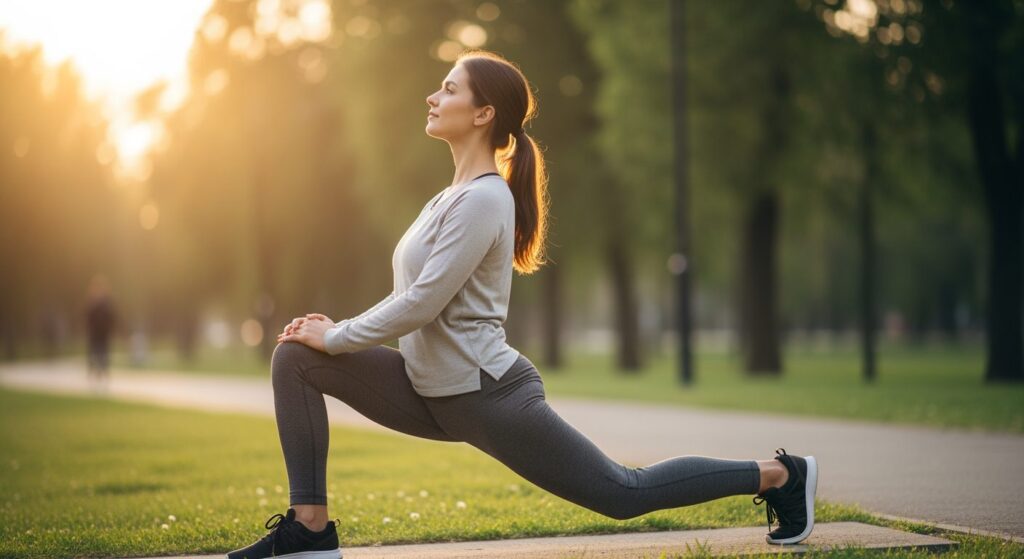
| Low Lunge | Hip Flexors | 30 seconds each side | Inhale to lengthen, exhale to deepen | Knee down for stability |
| Seated Forward Fold | Hamstrings, Lower Back | 45 seconds | Long exhales | Use strap or bent knees |
| Supine Twist | Spine, Shoulders | 30 seconds each side | Exhale to twist deeper | Keep both shoulders on floor |
| Bridge Pose | Spine, Chest | 30 seconds | Inhale to lift, exhale to hold | Lower height for neck comfort |
Incorporating Quick Yoga Routines Into Daily Life
The true power of a 10-minute yoga flow lies in its adaptability to various schedules and settings. Morning practices can energize the body and increase mobility for the day ahead, while evening sessions help release accumulated tension and prepare the body for restful sleep. Many flexibility-focused yoga practitioners find success by attaching their quick routine to existing habits – perhaps immediately after brushing teeth in the morning or before dinner preparation. The key is consistency rather than duration. A daily 10-minute practice yields more significant flexibility improvements than occasional longer sessions, as the body responds best to regular, gentle stretching rather than sporadic intense efforts.
Measuring Progress in Your Quick Yoga Flexibility Journey
Tracking improvements in flexibility helps maintain motivation when practicing short yoga routines. Rather than focusing solely on dramatic increases in range of motion, notice subtle changes in how your body feels during daily activities. Pay attention to these indicators of progress in your flexibility journey:
- Decreased stiffness when waking up or after sitting
- Improved posture during work or daily activities
- Reduced muscle soreness following exercise
- Greater ease in reaching for objects or bending
- Increased comfort in previously challenging yoga poses
- Better balance and stability in standing positions
- Enhanced awareness of body alignment and tension patterns
FAQs
Q: How often should I practice this routine?
A: Daily for best results
Q: Will I see immediate flexibility improvements?
A: Gradual progress over weeks
Q: Do I need special equipment?
A: Just a yoga mat
Q: Can beginners do this routine?
A: Yes, with modifications

Q: Is 10 minutes really enough?
A: Yes, with consistency