Short hairstyles for fine hair: Finding the perfect haircut can be a game-changer for women over 50 with fine hair. As we age, our hair naturally loses volume and thickness, making it challenging to maintain styles that once worked beautifully. Professional hairdressers understand this transition and have developed expertise in recommending cuts that add volume, texture, and manageability to thinning locks. The right short haircut can take years off your appearance while requiring minimal styling time – a win-win for busy women who want to look their best without spending hours in front of the mirror. Let’s explore the most recommended short haircut for fine hair after 50 and why it works so well.
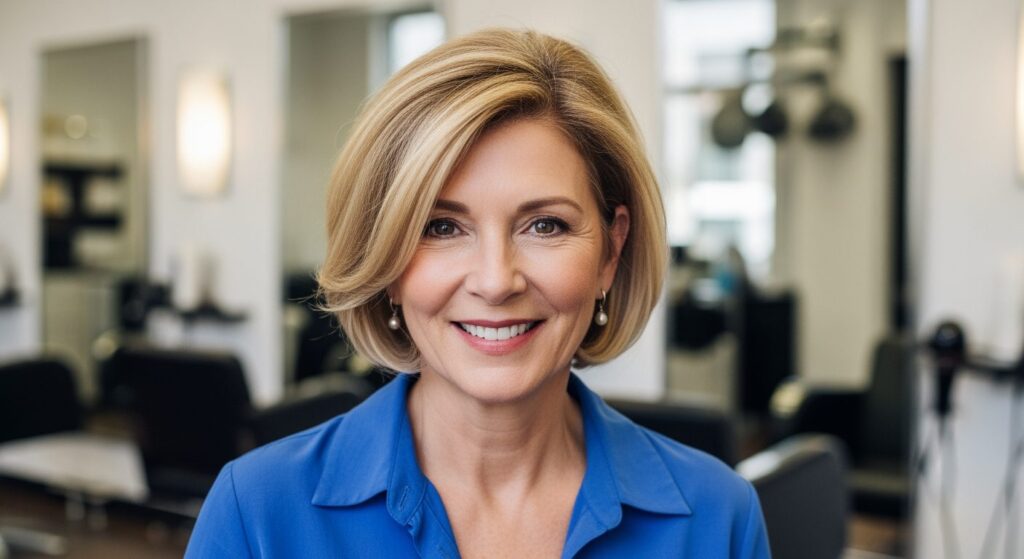
The Pixie Bob: The Ultimate Short Haircut for Fine Hair After 50
The pixie bob is hands down the most recommended short haircut for women over 50 with fine hair. This versatile style combines the best elements of a classic pixie cut with the shape and structure of a bob. What makes this cut particularly effective for fine hair is its layered approach, which creates the illusion of thickness and volume where it’s needed most. The pixie bob typically features shorter layers at the crown that gradually lengthen toward the nape of the neck, creating dimension and movement. This strategic layering lifts fine hair at the roots, preventing the flat appearance that often plagues those with thinning locks. Additionally, the pixie bob frames the face beautifully, highlighting cheekbones and drawing attention to the eyes.

Why Hairstylists Recommend the Pixie Bob for Women Over 50
Hairstylists consistently recommend the pixie bob for women over 50 with fine hair for several compelling reasons. First and foremost is the incredible volume boost this cut provides. By removing excess weight and incorporating layers, the pixie bob allows fine hair to achieve maximum lift and body. The cut also works with natural hair texture rather than fighting against it, which means less reliance on heat styling tools that can further damage already delicate strands. Many stylists note that clients are amazed by how much thicker their hair appears after switching to a pixie bob. The table below highlights the key benefits that make this short hairstyle so popular among hairdressers and their clients:

| Benefit | How It Helps Fine Hair | Styling Time | Maintenance Level | Age-Defying Effect |
|---|---|---|---|---|
| Added Volume | Creates illusion of thickness | 5-10 minutes | Low to Medium | High |
| Face Framing | Draws attention away from thinning | Minimal | Low | Very High |
| Textured Layers | Provides movement and dimension | 5 minutes | Medium | High |
| Versatility | Works with natural texture | Varies | Low | Medium to High |
| Root Lift | Creates height at crown | 2-3 minutes | Low | High |
Styling Tips for the Perfect Pixie Bob on Fine Hair
Once you’ve taken the plunge and gotten your pixie bob, knowing how to style it properly can make all the difference for fine hair. The beauty of this cut lies in its versatility and relatively low maintenance requirements. Most hairdressers recommend using lightweight volumizing products that won’t weigh down fine strands. Start with a small amount of mousse or volumizing spray applied at the roots when hair is damp. Use a round brush while blow-drying to create lift at the crown and shape around the face. For added texture, a small amount of lightweight pomade or texturizing spray can be worked through the ends. The key is to avoid heavy products that can make fine hair look greasy or flat. Many women find that their pixie bob actually looks better on the second day, as natural oils provide just enough texture without weighing hair down.
Customizing Your Short Hairstyle for Fine Hair After 50
While the pixie bob is the gold standard for fine hair after 50, professional hairdressers emphasize the importance of customizing the cut to suit each individual’s unique features and preferences. Here are the key factors a skilled stylist will consider when adapting this short hairstyle for fine hair:
- Face shape – adjusting fringe length and side sections to complement oval, round, square, or heart-shaped faces
- Hair texture – working with natural wave patterns or straightness to maximize volume
- Growth patterns – accounting for cowlicks or natural partings
- Lifestyle needs – considering styling time and maintenance preferences
- Personal style – incorporating elements that reflect your personality and fashion sense
- Hair color – coordinating cut with color techniques that enhance dimension
- Hairline features – adapting the cut to flatter widow’s peaks or high foreheads
FAQs
Q: How often should I trim my pixie bob?
A: Every 4-6 weeks

Q: Can I air-dry this hairstyle?
A: Yes
Q: Will this work with gray hair?
A: Absolutely
Q: Is this cut high-maintenance?
A: No

Q: Can I still use hair accessories?
A: Definitely