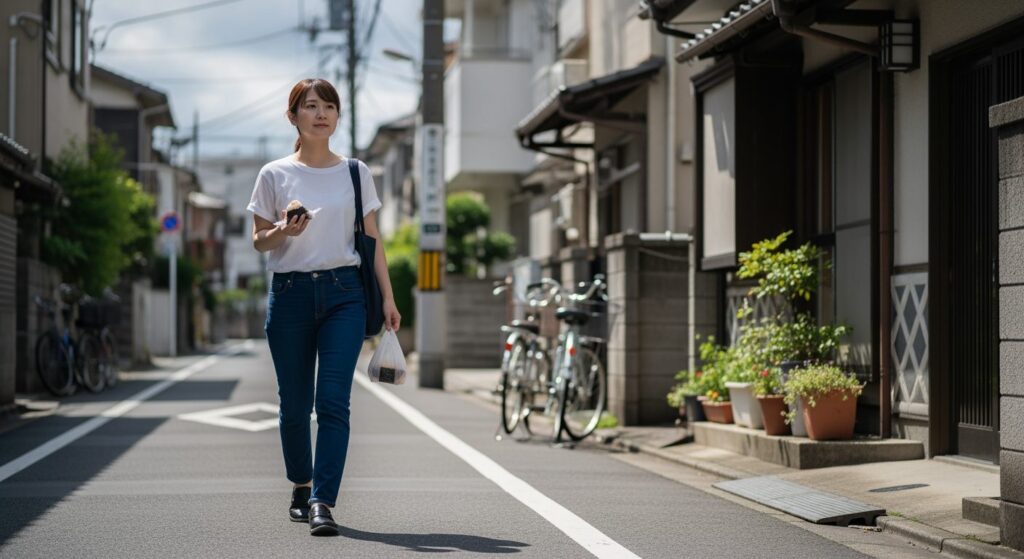
Japanese cleanliness culture: Visitors to Japan often express amazement at how immaculately clean the streets are, despite the surprising lack of public trash bins. This phenomenon stands in stark contrast to many other developed nations where public waste receptacles are abundant yet litter remains a persistent problem. The Japanese approach to waste management reflects deeper cultural values that prioritize collective responsibility, personal accountability, and respect for shared spaces. Understanding how Japan maintains such pristine public areas without relying on ubiquitous trash cans offers valuable insights into the intersection of culture, education, and social norms that create one of the world’s cleanest urban environments.
The Cultural Foundations of Japanese Cleanliness
Japan’s remarkable cleanliness stems from deeply ingrained cultural values that date back centuries. The concept of “mottainai” (a sense that waste is shameful) combines with Shinto religious beliefs about purity to create a society where cleanliness is considered a moral virtue rather than merely a practical concern. Japanese children learn from kindergarten that they are responsible for cleaning their schools—no janitors are employed, as students themselves sweep floors, clean bathrooms, and maintain their learning environments. This early education establishes cleanliness as a personal responsibility rather than someone else’s job, creating adults who naturally extend this mindset to public spaces and their own waste management habits.

How the Bin-Free System Actually Works in Japanese Society
The scarcity of public bins in Japan isn’t accidental—it’s a deliberate policy that gained momentum after the 1995 Tokyo subway sarin attack, when many bins were removed for security reasons. Rather than causing more litter, this absence reinforced the cultural expectation that individuals should take responsibility for their own trash. Japanese citizens routinely carry personal waste until they reach appropriate disposal locations, typically at home, work, or convenience stores. This practice reflects the Japanese concept of “gomi mochikaeri” (taking your trash home), which has become second nature to locals who often carry small bags specifically for collecting their personal waste throughout the day.
The Role of Japanese Convenience Stores in Waste Management
Convenience stores (konbini) play a crucial role in Japan’s waste management ecosystem despite the lack of public bins. These ubiquitous establishments provide disposal options that help maintain the country’s cleanliness standards while offering various waste management services to the public.
| Konbini Chain | Number of Locations | Recycling Options | Special Waste Services | Operating Hours |
|---|---|---|---|---|
| 7-Eleven | 21,000+ | PET bottles, cans, paper | Battery collection | 24 hours |
| Lawson | 14,000+ | Separated recycling bins | Eco-friendly packaging | 24 hours |
| FamilyMart | 16,000+ | Color-coded bins | Food waste reduction | 24 hours |
| Ministop | 2,000+ | Plastic, paper, organic | Compostable utensils | 24 hours |
| Daily Yamazaki | 1,600+ | Basic recycling | Local waste initiatives | Varies by location |
Educational Approaches That Reinforce Japanese Cleanliness Culture
Japan’s education system plays a fundamental role in establishing the cleanliness culture that keeps streets spotless without public bins. Schools incorporate specific practices that instill waste management habits and environmental responsibility from an early age. These educational approaches create lifelong behaviors that contribute to Japan’s exceptional cleanliness standards.
- Daily cleaning time (o-soji) where all students clean their school
- Detailed waste separation lessons beginning in elementary school
- Field trips to recycling facilities and waste management plants
- Community cleanup activities (chiiki seiso) as regular school events
- Environmental education integrated across multiple subjects
- School lunch programs that teach zero-waste principles
- Parent-teacher collaborations on waste reduction initiatives
FAQs
Q: Why are there few trash bins in Japan?
A: Security and personal responsibility
Q: Do Japanese people litter?
 No bleach or ammonia needed: the simple painter approved method to eliminate damp at home for good
A: Rarely
Q: Where do tourists dispose trash?
A: Convenience stores
Q: Is littering illegal in Japan?
A: Yes
Q: Who cleans Japanese streets?

A: Citizens and workers