Cooking broccoli properly: When it comes to getting the most nutritional value from broccoli, how you prepare it matters significantly. Many health-conscious individuals debate whether raw or boiled broccoli offers the most benefits, but research suggests neither option maximizes its antioxidant potential. The cooking method you choose can dramatically affect the availability of vitamins, minerals, and beneficial plant compounds in this cruciferous vegetable. Understanding the optimal cooking technique could help you unlock broccoli’s full nutritional profile and enhance your diet with more bioavailable nutrients.
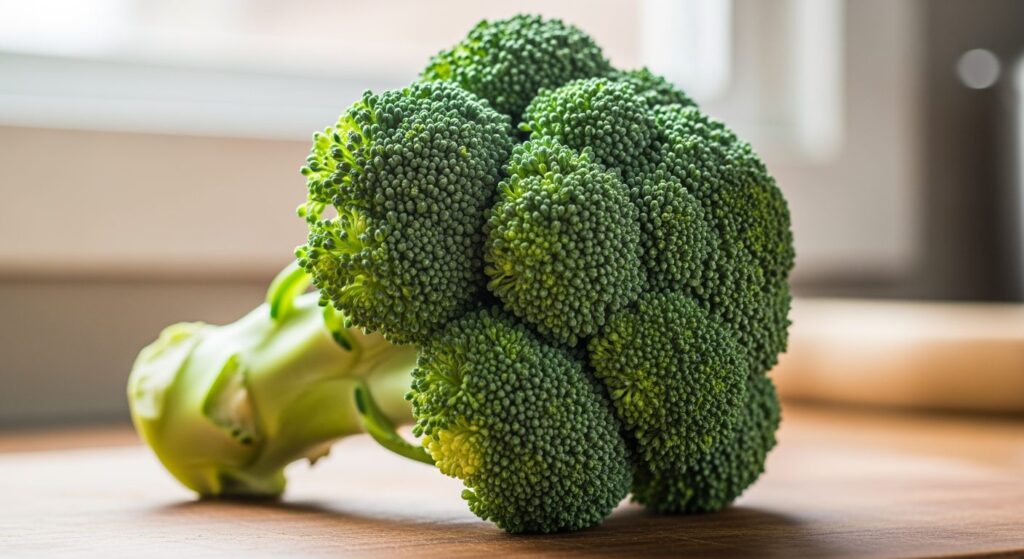
Why cooking method matters for broccoli’s nutritional value
The way we prepare broccoli significantly impacts its nutritional profile. Raw broccoli contains an enzyme called myrosinase that helps release sulforaphane, a powerful cancer-fighting compound. However, eating it completely raw means some nutrients remain trapped within the tough plant cell walls, making them harder for our bodies to access. On the other hand, boiling broccoli can cause water-soluble vitamins like vitamin C and B vitamins to leach into the cooking water. This cooking method can result in nutrient losses of up to 50% for certain water-soluble compounds, essentially washing away many of the health benefits you’re trying to obtain from this nutritious vegetable.

The optimal cooking technique for preserving broccoli’s antioxidants
Steaming emerges as the superior method for cooking broccoli when maximizing antioxidant content is the goal. This gentle cooking technique uses indirect heat from water vapor to cook the vegetable, softening the tough cell walls just enough to make nutrients more bioavailable without submerging the broccoli in water where vitamins can escape. Research published in the Journal of Agricultural and Food Chemistry found that steaming broccoli for 3-4 minutes increased the availability of sulforaphane compared to both raw and boiled preparations. Additionally, steaming helps preserve heat-sensitive vitamins while making fat-soluble vitamins like vitamin A, E, and K more accessible to the body.

Comparing different cooking methods for broccoli’s nutrient retention
Various cooking methods affect broccoli’s nutritional content differently, with some preserving certain nutrients better than others. The table below compares how different preparation techniques impact key nutrients in broccoli:
| Cooking Method | Vitamin C Retention | Sulforaphane Availability | Antioxidant Activity | Fiber Content | Texture/Flavor |
|---|---|---|---|---|---|
| Raw | Highest | Moderate | Moderate | Highest | Crunchy/Strong |
| Steaming (3-4 min) | Very High | Highest | Highest | High | Tender/Sweet |
| Microwaving | High | High | High | High | Tender/Mild |
| Stir-frying | Moderate | Moderate | Moderate | High | Crisp-tender/Nutty |
| Boiling | Low | Low | Low | Moderate | Soft/Mild |
Tips for perfectly steaming broccoli to maximize nutritional benefits
To get the most nutritional value from your broccoli through steaming, follow these essential guidelines for optimal results:
- Cut broccoli into uniform florets (about 1-1.5 inches) for even cooking
- Let broccoli rest for 10 minutes after cutting to activate enzyme activity
- Use a steamer basket that keeps broccoli suspended above water
- Steam for exactly 3-4 minutes until bright green but still slightly crisp
- Avoid overcooking, which destroys heat-sensitive nutrients
- Add a light drizzle of olive oil after steaming to enhance absorption of fat-soluble vitamins
- Consume immediately for maximum nutritional benefit
Steaming broccoli properly requires attention to timing and technique. The ideal steaming duration balances the breakdown of cell walls with nutrient preservation. When broccoli turns vibrant green but still maintains a slight resistance when pierced with a fork, it has reached optimal doneness. This typically occurs around the 3-4 minute mark, though exact timing may vary depending on the size of your florets and the power of your steamer. The brief cooking time is sufficient to neutralize certain anti-nutrients that can interfere with mineral absorption while preserving the delicate balance of vitamins and antioxidant compounds.
Beyond steaming, microwaving broccoli with a small amount of water (1-2 tablespoons) can produce similar nutritional benefits. This method works by quickly heating the vegetable with minimal water contact, preserving many water-soluble nutrients. Research from the Journal of Food Science suggests that microwaving for 1-2 minutes can retain up to 90% of vitamin C content while enhancing the bioavailability of other compounds. For those without a dedicated steamer, this provides a convenient alternative that doesn’t sacrifice nutritional quality.
The temperature at which broccoli is cooked also plays a crucial role in preserving its antioxidant content. Cooking at extremely high temperatures, such as roasting above 400°F or deep-frying, can degrade heat-sensitive compounds like vitamin C and certain antioxidants. The moderate heat of steaming (around 212°F or 100°C) provides enough thermal energy to soften the vegetable without destroying its most valuable nutrients. This temperature sweet spot explains why steaming consistently outperforms other cooking methods in nutritional studies.

Incorporating properly steamed broccoli into your diet several times weekly can significantly boost your antioxidant intake. The enhanced bioavailability of compounds like sulforaphane, indole-3-carbinol, and glucosinolates provides powerful anti-inflammatory and potential cancer-fighting benefits. These compounds work synergistically with vitamins C, E, and K to provide comprehensive cellular protection against oxidative damage. By optimizing your cooking method, you’re essentially upgrading the functional food value of this already nutritious vegetable.
FAQs
Q: How long should I steam broccoli?
A: 3-4 minutes
Q: Can I microwave instead of steaming?
A: Yes
Q: Does freezing affect broccoli’s nutrients?
A: Minimal loss
 No bleach or ammonia needed: the simple painter approved method to eliminate damp at home for good
Q: Is brocc