Kind women friendship: The journey through life often reveals unexpected paradoxes, and one of the most poignant is how kindness – a trait universally celebrated – can sometimes lead to social isolation, particularly for women as they age. Many women who pride themselves on their compassion, generosity, and willingness to help others find their social circles mysteriously shrinking over time. This phenomenon isn’t just anecdotal; it reflects complex social dynamics where the very qualities that should attract meaningful connections sometimes create barriers instead. Understanding why exceptionally kind women often end up with fewer friends provides important insights into the sometimes contradictory nature of human relationships.
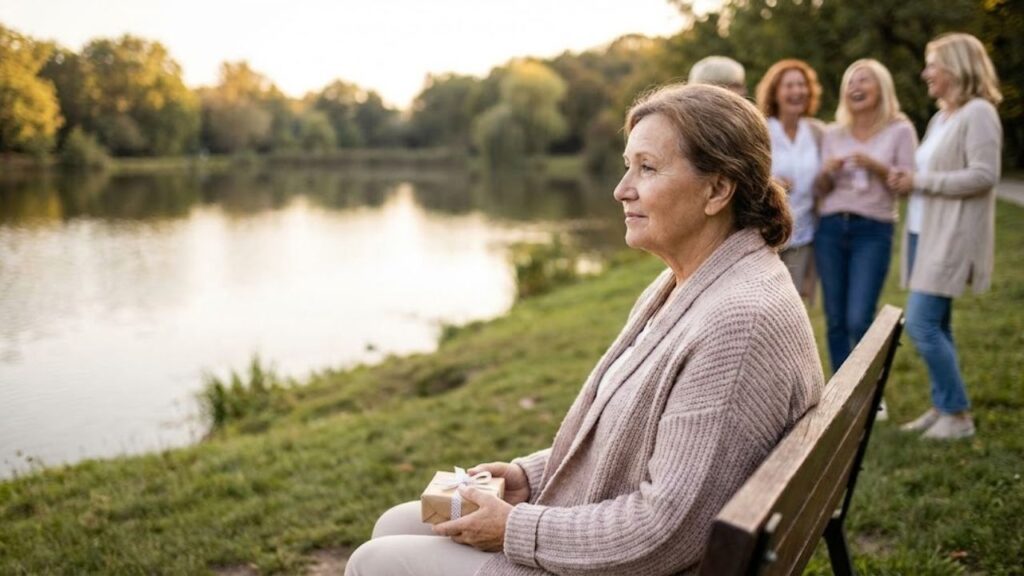
The Hidden Cost of Kindness: How Generosity Affects Female Friendships
Kindness, while virtuous, can create unexpected complications in friendship dynamics. When a woman consistently prioritizes others’ needs above her own, she may inadvertently establish patterns where she gives more than she receives. This imbalance often goes unnoticed initially but compounds over time. Friends may begin to view her primarily as a resource rather than a complete person with her own needs and vulnerabilities. The kind woman herself might struggle to express her own desires or set necessary boundaries, fearing she’ll disappoint others or appear selfish. This one-sided dynamic gradually erodes the foundation of mutual support that healthy friendships require.

Seven Reasons Kind Women Experience Friendship Decline
Understanding the specific mechanisms that lead to friendship attrition for kind women helps identify potential solutions. These patterns often develop subtly over years, making them difficult to recognize until the isolation has already taken hold.

- Being taken for granted – consistently kind people often become the default givers in relationships
- Attracting one-sided friendships where reciprocity is minimal or absent
- Difficulty setting boundaries leads to emotional exhaustion
- Becoming the perpetual listener without receiving equal emotional support
- Attracting friendships based on utility rather than genuine connection
- Hesitancy to express needs for fear of appearing demanding
- Becoming the group problem-solver without having personal problems addressed
How Kind Women Friendship Patterns Change Through Different Life Stages
The impact of excessive kindness on friendship networks evolves distinctly through different life phases. In early adulthood, kind women often find themselves surrounded by large social circles, their generosity making them popular and sought-after friends. The middle years frequently bring a shift as career and family demands intensify, making one-sided friendships increasingly unsustainable. By their 50s and beyond, many kind women report a significant contraction in their social networks. This period often coincides with major life transitions like empty nesting or retirement, when women naturally reassess relationships. Without the structured social environments of earlier life stages, the imbalances in their friendships become more apparent and problematic.
The Psychological Impact of Kind Women Friendship Decline
The emotional consequences of friendship attrition for kind women deserve serious consideration. The table below outlines common psychological effects and their manifestations in daily life:
| Psychological Effect | Emotional Impact | Behavioral Manifestation | Social Consequence | Potential Long-term Outcome |
|---|---|---|---|---|
| Identity Confusion | Questioning self-worth | Increased people-pleasing | Further imbalanced relationships | Crisis of personal identity |
| Resentment | Anger at unreciprocated effort | Withdrawal from social situations | Fewer social interactions | Cynicism about relationships |
| Loneliness | Feeling misunderstood | Hesitancy to form new connections | Shrinking social network | Social isolation |
| Diminished Self-advocacy | Feeling unworthy of support | Difficulty expressing needs | Continued one-sided relationships | Chronic self-neglect |
Reclaiming balance in relationships requires kind women to recognize their own worth beyond what they provide to others. Learning to receive as well as give becomes essential for maintaining healthy connections. Many women find that as they age, they must intentionally cultivate friendships with others who share their values around reciprocity and mutual support. This often means developing new relationships rather than trying to transform established patterns in long-standing but imbalanced friendships.
The journey toward healthier relationship patterns typically begins with self-awareness and boundary setting. Kind women must learn to distinguish between genuine generosity and people-pleasing behaviors rooted in fear of rejection. By understanding that true kindness includes kindness toward oneself, women can begin establishing more balanced connections that nurture rather than deplete them. This shift, while challenging, ultimately leads to fewer but more meaningful and sustainable friendships.
FAQs

Q: Can excessive kindness actually repel potential friends?
A: Yes, sometimes
Q: At what age do friendship circles typically shrink most?
A: 50s and 60s
Q: Is this phenomenon unique to women?
A: Primarily affects women
Q: Can kind women reverse this friendship decline?
A: Absolutely with boundaries

Q: Should kind women become less generous?
A: No, more discerning instead