Balance exercises for seniors are becoming increasingly important as our population ages and fall prevention becomes a critical health concern. Falls represent one of the leading causes of injury among older adults, often resulting in broken bones, hospital stays, and decreased independence. The good news is that regular balance training can significantly reduce the risk of falls by improving stability, strengthening core muscles, and enhancing proprioception – your body’s ability to sense its position in space. These exercises don’t require expensive equipment or gym memberships, making them accessible for seniors of all fitness levels who want to maintain their mobility and independence well into their golden years.
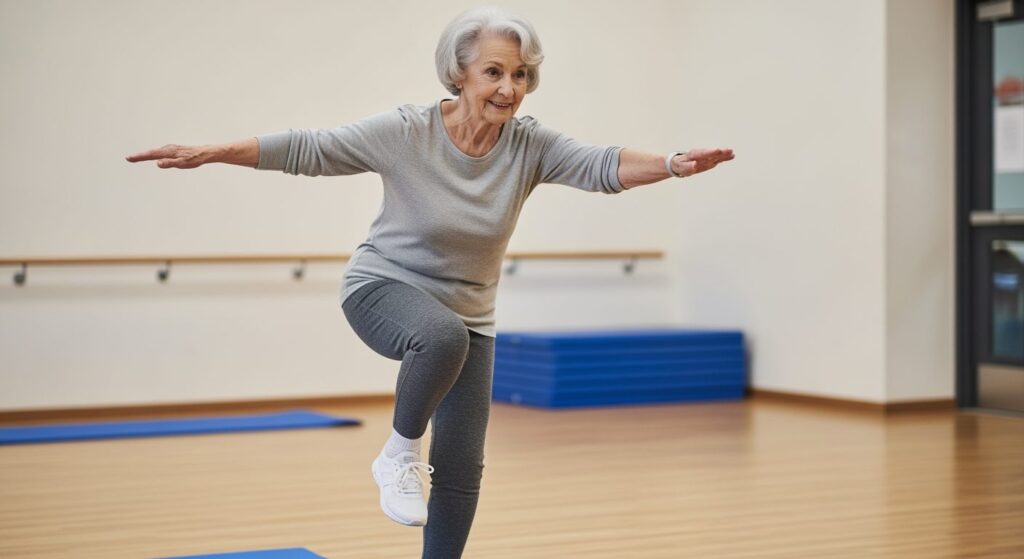
Essential Balance Exercises Every Senior Should Practice Daily
Incorporating balance exercises into your daily routine doesn’t have to be complicated or time-consuming. Even spending 10-15 minutes each day on simple stability exercises can yield significant improvements in your overall balance and confidence when moving. Before beginning any new exercise program, it’s important to consult with your healthcare provider, especially if you have existing health conditions or mobility concerns. Start with exercises that match your current ability level and gradually progress to more challenging movements as your balance improves. Always have a sturdy chair, counter, or wall nearby for support when first attempting these exercises to ensure safety.

The Science Behind Balance Training for Older Adults
Balance exercises for seniors work by targeting multiple body systems that naturally decline with age. Your vestibular system (inner ear), vision, proprioception (body awareness), and muscle strength all play crucial roles in maintaining stability. Research shows that consistent balance training can improve neural pathways, helping your brain process spatial information more efficiently and respond faster to changes in body position. Studies published in journals like The Gerontologist have demonstrated that seniors who participate in regular balance training experience up to a 40% reduction in fall risk compared to those who don’t. This training also helps counteract the natural muscle loss (sarcopenia) that occurs with aging, preserving the strength needed for everyday activities like climbing stairs or getting up from a chair.

| Exercise Type | Primary Benefit | Difficulty Level | Recommended Frequency | Support Needed |
|---|---|---|---|---|
| Heel-to-Toe Walk | Improves dynamic balance | Beginner | Daily | Wall or railing nearby |
| Single Leg Stand | Enhances static balance | Beginner to Intermediate | 3-5 times weekly | Chair or counter |
| Tai Chi Movements | Coordinates movement | Intermediate | 2-3 times weekly | None once learned |
| Balance Disc Exercises | Challenges proprioception | Advanced | 2-3 times weekly | Spotter recommended |
| Yoga Balance Poses | Improves core strength | Varies by pose | 2-3 times weekly | Wall or chair |
Implementing Balance Exercises into Your Senior Fitness Routine
Creating a sustainable balance exercise routine requires thoughtful planning and gradual progression. The most successful approach combines specific balance exercises with other forms of physical activity like walking, swimming, or gentle strength training. Many seniors find it helpful to join group exercise classes specifically designed for older adults, which provide both structured guidance and social interaction. Community centers, senior living facilities, and organizations like the YMCA often offer specialized balance and fall prevention programs. If attending in-person classes isn’t feasible, numerous online resources provide guided balance exercise videos tailored to seniors at different fitness levels. The key is consistency – even short daily practice sessions yield better results than longer, infrequent workouts.
Simple Balance Exercises for Seniors to Try at Home
These practical balance exercises can be performed in the comfort of your home with minimal equipment. Always start with a stable support nearby and progress at your own pace. Remember that balance training should challenge you slightly but never feel unsafe or cause pain.
- Sit-to-Stand: Rise from a chair without using your hands, then sit back down slowly. This builds leg strength essential for balance.
- Heel-Toe Walking: Walk in a straight line placing your heel directly in front of the toes of your opposite foot.
- Single-Leg Stand: Hold onto a counter and lift one foot, holding the position for 10-30 seconds.
- Clock Reach: Stand on one leg while reaching your free leg in different “clock” directions.
- Heel Raises: Stand tall and slowly rise onto your toes, then lower back down.
- Side Leg Lifts: Hold a chair and slowly lift one leg to the side, keeping your back straight.
FAQs
Q: How often should seniors do balance exercises?
A: Daily for best results

Q: Can balance exercises prevent falls?
A: Yes, significantly
Q: Are balance exercises safe for everyone?
A: Consult your doctor first
Q: How long before seeing improvement?
A: Two to four weeks

Q: Should exercises cause pain?
A: Never