Natural hair remedies: Dealing with hair loss can be distressing, but nature offers numerous solutions that can help strengthen your locks and prevent further shedding. From kitchen ingredients to simple lifestyle changes, these natural remedies have been trusted across generations to maintain healthy hair. While commercial products flood the market with promises, many people are turning back to traditional, chemical-free approaches that are gentle on both hair and scalp. These home remedies not only address hair fall but also improve overall hair quality, making your tresses stronger, shinier, and more resilient against environmental damage.

Essential Oils and Herbal Treatments for Natural Hair Remedies
Natural oils have been cornerstone treatments in hair care routines for centuries. Coconut oil stands out for its ability to penetrate hair shafts, providing deep nourishment and preventing protein loss. Castor oil, rich in ricinoleic acid, improves blood circulation to the scalp and encourages hair growth. For those experiencing significant thinning, rosemary oil has shown promising results comparable to commercial treatments like minoxidil. Aloe vera gel applied directly to the scalp can reduce inflammation and dandruff while conditioning the hair. These natural remedies work by addressing the root causes of hair weakness, including poor circulation, inflammation, and nutritional deficiencies at the follicle level.
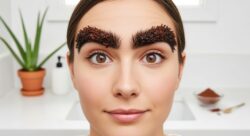
Kitchen Ingredients That Transform Into Powerful Natural Hair Remedies
Your kitchen holds numerous ingredients that can be transformed into effective hair treatments. Eggs provide protein and biotin that strengthen hair structure, while yogurt contains lactic acid that cleanses the scalp and removes dead skin cells. Avocado masks deliver moisture and essential fatty acids that prevent breakage. Apple cider vinegar rinses help balance scalp pH and remove product buildup that can clog follicles. These natural remedies are particularly valuable because they avoid harsh chemicals that strip hair of its natural oils, creating a cycle of damage that leads to increased hair fall.
 The Ordinary New Serum Nicknamed Filler in a Bottle Gave My Skin a Youthful Look in My 40s
| Kitchen Ingredient | Benefits | Application Method | Frequency | Best For |
|---|---|---|---|---|
| Egg | Protein boost, strengthens strands | Whipped egg mask | Once weekly | Brittle, thin hair |
| Onion Juice | Improves circulation, reduces inflammation | Direct scalp application | 2-3 times weekly | Pattern baldness |
| Fenugreek Seeds | Contains hormones promoting growth | Soaked seed paste | Twice weekly | Dandruff, thinning |
| Green Tea | Antioxidants, DHT blocker | Cooled tea rinse | After shampooing | Hormone-related loss |
| Aloe Vera | Soothes scalp, balances pH | Pure gel massage | 3 times weekly | Irritated scalp |
Dietary Changes Supporting Natural Hair Remedies
What you eat significantly impacts hair health, making nutrition an essential component of natural hair remedies. Hair is primarily made of protein, so ensuring adequate intake of lean meats, fish, eggs, and plant proteins provides the building blocks for strong strands. Iron deficiency is a leading cause of hair loss, particularly in women, making iron-rich foods like spinach, lentils, and pumpkin seeds crucial additions to your diet. Omega-3 fatty acids found in fatty fish, walnuts, and flaxseeds help reduce inflammation and provide essential oils that keep hair hydrated from within, preventing brittleness and breakage that contributes to thinning appearance.
Lifestyle Adjustments as Natural Hair Remedies
Effective natural hair remedies extend beyond topical treatments to include lifestyle modifications that support hair health. Stress management techniques like yoga, meditation, and adequate sleep can significantly reduce stress hormones that trigger telogen effluvium, a common form of temporary hair shedding. Physical activity improves circulation throughout the body, including the scalp, ensuring hair follicles receive optimal nutrition and oxygen. Reducing heat styling, tight hairstyles, and chemical treatments prevents mechanical damage that leads to breakage and thinning. These natural approaches work synergistically with topical remedies to create a comprehensive hair care system.
- Practice gentle hair handling, avoiding brushing when wet
- Switch to silk or satin pillowcases to reduce friction
- Perform regular scalp massages to stimulate circulation
- Limit shampooing to 2-3 times weekly to preserve natural oils
- Protect hair from UV damage with hats or specialized products
- Stay hydrated by consuming adequate water daily
- Avoid smoking which restricts blood flow to hair follicles
Natural hair remedies offer a holistic approach to hair care that addresses both internal and external factors affecting hair health. Unlike commercial products that often provide temporary cosmetic improvements, these remedies work to correct underlying issues that lead to hair weakness and loss. Many people report seeing improvements not just in hair retention but also in texture, shine, and manageability after incorporating these natural solutions into their routines. The beauty of these approaches lies in their accessibility and safety – most ingredients are affordable and pose minimal risk of side effects compared to pharmaceutical interventions.
For those experiencing significant hair loss, it’s important to remember that natural remedies work best for early-stage thinning or as preventative measures. They typically require consistent application over several months before results become noticeable. Combining multiple approaches often yields the best outcomes, as hair loss can have complex, multifactorial causes. While patience is necessary, many find the journey toward natural hair health rewarding not just for their appearance but also for the broader wellness benefits these remedies provide.
FAQs

Q: How long before natural remedies show results?
A: 2-3 months typically
Q: Can diet alone stop hair loss?
A: Rarely without other interventions
Q: Are natural remedies effective for alopecia?
A: Limited effectiveness
Q: How often should I oil my hair?
A: 1-2 times weekly
 Goodbye Hair Dye for Grey Hair: What to Add to Your Conditioner for Natural Colour Revival
Q: Can stress cause permanent hair loss?
A: Usually temporary