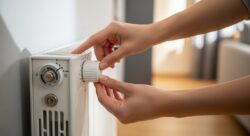
home heating efficiency: As winter temperatures plummet, the debate over whether to keep interior doors open or closed for optimal heating efficiency continues in households across the country. Many homeowners find themselves wondering if closing off unused rooms saves energy or if allowing heat to circulate freely throughout the home is more effective. The question isn’t merely academic—with rising energy costs and growing environmental concerns, finding the most efficient way to heat your home can significantly impact both your wallet and your carbon footprint. Understanding the science behind home heating and how your specific heating system works can help you make informed decisions about door management this winter season.
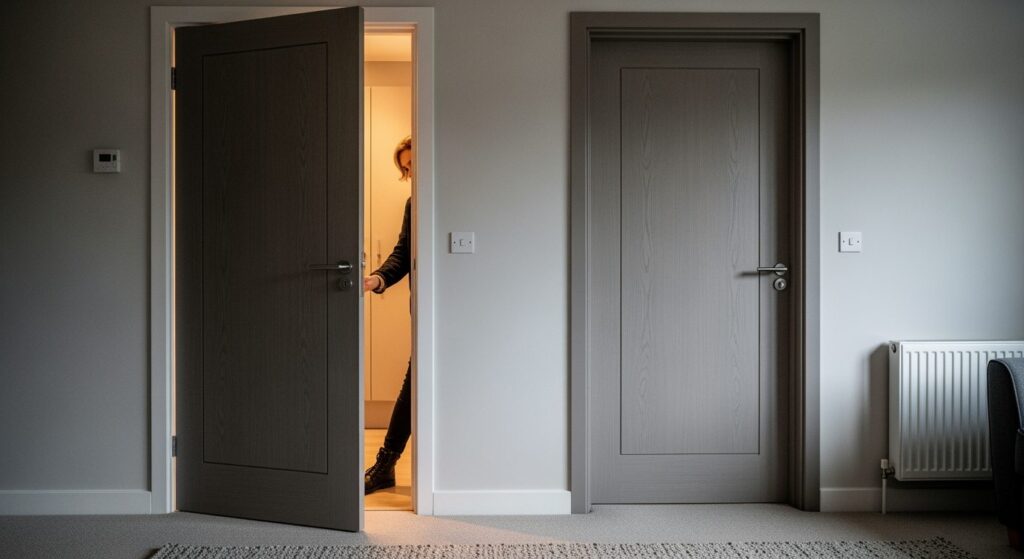
The Science Behind Home Heating and Door Positioning
The effectiveness of keeping doors open or closed largely depends on your home’s heating system. Forced-air systems, which rely on return air registers to maintain proper airflow, generally work best with open doors. When doors are closed, the pressure differential can force warm air out through cracks around windows and doors, essentially pushing your expensively heated air outside. Additionally, closed doors can create cold spots in unused rooms, potentially leading to issues like condensation and even mold growth in extreme cases. The physics of heat distribution means that warm air naturally rises and moves toward cooler areas, so allowing this natural circulation can help maintain more consistent temperatures throughout your home.

Different Heating Systems Require Different Approaches to Door Management
Your heating system type should dictate your door strategy during winter months. Understanding how your specific system operates can help you maximize efficiency while maintaining comfort throughout your home. The table below outlines the optimal door strategies for various heating systems:

| Heating System Type | Open Door Recommendation | Closed Door Recommendation | Energy Impact | Comfort Impact |
|---|---|---|---|---|
| Forced Air | Highly Recommended | Not Recommended | More Efficient with Open Doors | More Even Temperatures |
| Radiator Heat | Recommended | Situational | Varies by Room Layout | Better Heat Distribution |
| Baseboard Heating | Optional | Can Be Efficient | Room-by-Room Control Possible | Zoned Comfort Possible |
| Radiant Floor Heating | Recommended | Not Necessary | Minimal Impact | Consistent Regardless |
| Heat Pump Systems | Highly Recommended | Can Reduce Efficiency | More Efficient with Open Doors | Prevents Cold Spots |
Maximizing Home Heating Efficiency Beyond Door Positioning
While door management plays a role in heating efficiency, other factors can have an even greater impact on your home’s warmth and energy consumption. Proper insulation in walls, attics, and around windows and doors prevents heat loss regardless of your door strategy. Regular maintenance of your heating system ensures it operates at peak efficiency, potentially saving up to 15% on heating costs according to energy experts. Smart thermostats can optimize heating schedules based on your habits, automatically adjusting temperatures when you’re away or asleep. These technologies work in concert with thoughtful door management to create a comprehensive approach to winter heating efficiency.
Practical Home Heating Efficiency Tips for Winter Comfort
Beyond the open-versus-closed door debate, several practical strategies can help maintain a warm, energy-efficient home during winter months. Consider these proven approaches to enhance your home heating efficiency:
- Use draft stoppers or door sweeps to prevent cold air infiltration under exterior doors
- Install thermal curtains to provide an additional barrier against window heat loss
- Reverse ceiling fans to push warm air downward in rooms with high ceilings
- Schedule regular professional maintenance for your heating system
- Use space heaters strategically in frequently used rooms rather than heating the entire house
- Apply window insulation film to create an additional thermal barrier
- Keep furniture away from vents and radiators to improve airflow
FAQs
Q: Should bedroom doors stay open or closed?
A: Open for forced air

Q: Do closed doors save heating energy?
A: Depends on heating system
Q: How much heat is lost through doors?
A: Up to 11 percent
Q: Should I close vents in unused rooms?
A: Generally not recommended

Q: Does closing curtains help retain heat?
A: Yes, significantly