Optimal plank duration: The plank exercise has become a cornerstone of core training across fitness levels, but confusion persists about how long we should actually hold this challenging position. Recent fitness research suggests that the ideal plank duration isn’t universal—it varies significantly based on age, fitness level, and training goals. While some fitness influencers promote extreme five-minute holds, exercise physiologists now recommend more personalized approaches that consider your age bracket and current core strength. Understanding the right plank timing can transform this simple exercise into one of your most effective tools for building core stability without risking injury or wasting valuable workout time.
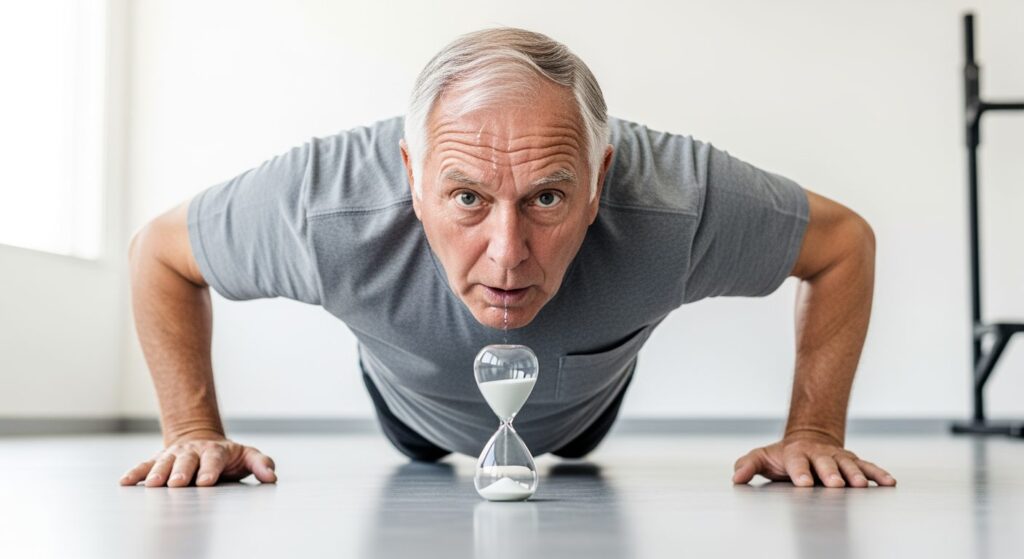
Age-Specific Plank Hold Guidelines for Maximum Core Engagement
The optimal plank duration changes throughout our fitness journey and aging process. For beginners in their 20s and 30s, starting with 20-30 second holds allows proper form development while building baseline endurance. Those in their 40s should aim for 30-45 second holds, focusing on quality over quantity as natural muscle mass changes begin. Middle-aged plankers (50-65) benefit most from 20-40 second holds with proper form emphasis, while seniors over 65 should start with modified planks for 10-20 seconds, gradually increasing as strength improves. The key insight across all age groups is that perfect form for shorter durations produces better results than longer holds with compromised positioning.
The Optimal Plank Duration Table by Age and Experience Level
Understanding your ideal plank hold time helps maximize benefits while preventing unnecessary strain. The following table provides research-backed guidelines based on age and experience level, but remember that individual factors like fitness history and health conditions should always be considered. These recommendations focus on the standard forearm plank position, though similar principles apply to variations.
 Goodbye Hair Dye for Grey Hair: What to Add to Your Conditioner for Natural Colour Revival
| Age Group | Beginner | Intermediate | Advanced | Elite | Form Focus |
|---|---|---|---|---|---|
| 20-30 | 20-30 sec | 45-60 sec | 60-90 sec | 90-120 sec | Neutral spine, engaged glutes |
| 31-40 | 20-30 sec | 40-60 sec | 60-90 sec | 90-120 sec | Breathing control, shoulder stability |
| 41-50 | 15-30 sec | 30-45 sec | 45-75 sec | 75-90 sec | Core bracing, hip alignment |
| 51-65 | 10-20 sec | 20-40 sec | 40-60 sec | 60-75 sec | Spinal protection, steady breathing |
| 65+ | 10-15 sec | 15-30 sec | 30-45 sec | 45-60 sec | Modified positions if needed, stability |
Progressive Plank Training for Optimal Core Development
Progressive training principles apply perfectly to plank duration. Rather than immediately attempting to hold a plank for minutes, fitness experts recommend a systematic approach to building core endurance. Start with 3-5 sets of planks at your age-appropriate beginner level with 30-60 second rest periods between sets. Each week, add 5-10 seconds to your hold time until reaching the intermediate level for your age group. Once you can comfortably hold a plank for the recommended intermediate duration with perfect form, consider adding plank variations rather than simply extending time further. This progressive approach prevents plateaus while continuously challenging your core muscles in new ways.
Signs Your Optimal Plank Duration Needs Adjustment
Knowing when to adjust your plank timing is crucial for continued progress and injury prevention. Pay attention to these key indicators that suggest your current plank duration may need modification. If you notice any of these warning signs, consider reducing your hold time and refocusing on form before gradually building back up.
- Lower back pain or discomfort during or after planking
- Inability to maintain neutral spine position throughout the hold
- Significant shaking or trembling before reaching your target time
- Holding breath or inability to breathe normally during the exercise
- Neck strain or shoulder elevation during the hold
- Hip sagging or elevation from the proper alignment
- Feeling core fatigue that lasts more than 24-48 hours after planking
The plank exercise offers tremendous core strengthening benefits when performed correctly for the appropriate duration. While social media challenges might promote extreme hold times, research consistently shows that quality trumps quantity. Most fitness professionals agree that once you can hold a perfect plank for 2 minutes, additional time provides diminishing returns. Instead of extending duration indefinitely, consider incorporating plank variations like side planks, plank reaches, or plank shoulder taps to continue challenging your core muscles in new ways.
For those just beginning their fitness journey, remember that consistency matters more than duration. Three 20-second perfect planks performed daily will yield better results than a single 2-minute struggle with poor form once a week. Listen to your body, respect age-appropriate guidelines, and focus on gradual progression for the best core strengthening results.
Whether you’re a fitness enthusiast looking to optimize your routine or someone just starting to incorporate planks into your workout, understanding the right duration for your age and fitness level ensures you’ll get maximum benefit from this fundamental exercise. The next time you drop into plank position, remember that the stopwatch matters less than maintaining proper form throughout your personally appropriate hold time.

FAQs
Q: What’s the ideal plank time for beginners?
A: 20-30 seconds
Q: Can planking too long be harmful?
A: Yes
Q: How often should I plank?
A: 3-5 times weekly
Q: Are side planks as effective?
A: Equally effective
Q: When should I increase plank time?
A: When form remains perfect