Natural Henna Hair Dyes: The beauty industry is witnessing a significant shift as consumers increasingly seek alternatives to chemical-laden hair coloring products. Safe henna hair dye blends have emerged as a frontrunner in this movement, offering vibrant, long-lasting color without the damage associated with conventional dyes. These plant-based formulations harness the coloring power of henna, a natural dye derived from the Lawsonia inermis plant, combined with other botanical ingredients to create a spectrum of shades that nourish hair while transforming its appearance. The growing popularity of these products reflects a broader consumer trend toward clean beauty and hair care solutions that prioritize health alongside aesthetic results.
The Science Behind Henna Hair Dye Blends and Their Chemical-Free Coloring Properties
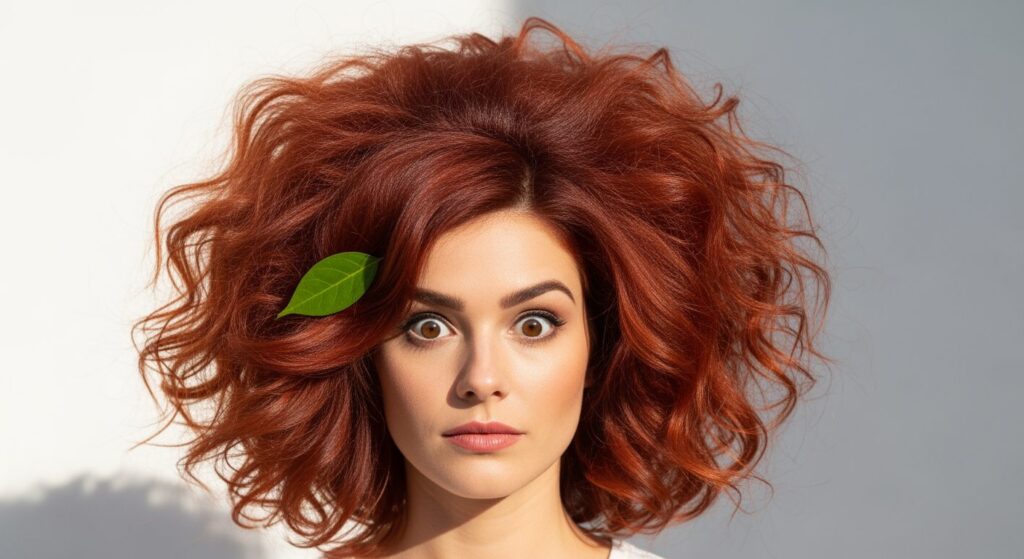
Henna hair dye blends work fundamentally differently from conventional chemical colorants. Rather than penetrating the hair shaft by breaking down its structure, natural henna coats the hair cuticle with a protective layer of plant pigments. The primary coloring compound in henna, lawsone, binds with the keratin in hair through a process called adsorption, creating a semi-permanent bond that gradually fades without the harsh line of demarcation typical of chemical dyes. When combined with other plant dyes like indigo, amla, or cassia, henna can produce a wide range of colors from rich auburns and deep browns to cooler blacks and chestnut tones, all while conditioning the hair and increasing its strength and shine.
Key Ingredients in Premium Natural Henna Hair Dye Formulations
The most effective henna hair dye blends combine carefully selected botanical ingredients to achieve optimal coloring results while nourishing the hair and scalp. These formulations typically avoid metallic salts, PPD, ammonia, and other harsh chemicals found in conventional dyes that can cause allergic reactions and long-term damage.
 Daily Collagen Broth Rituals That Gradually Improve Skin Hydration Firmness and Elasticity Naturally
| Ingredient | Color Contribution | Hair Benefits | Scalp Benefits | Sustainability Factor |
|---|---|---|---|---|
| Pure Henna | Reddish-orange | Strengthens, adds shine | Anti-fungal properties | Renewable crop |
| Indigo | Blue-black tones | Conditions, reduces frizz | Cooling effect | Low environmental impact |
| Amla | Darkens, enhances other dyes | Prevents premature graying | Stimulates hair follicles | Sustainable harvesting |
| Cassia Obovata | Golden highlights | Adds volume, reduces breakage | Soothes irritation | Biodegradable |
| Hibiscus | Enhances red tones | Prevents split ends | Rich in antioxidants | Widely available |
Application Techniques for Maximizing Henna Hair Dye Blend Results
Achieving optimal results with natural henna hair dye blends requires specific application techniques that differ from those used with conventional dyes. The preparation process typically involves mixing the powdered herbs with an acidic liquid like lemon juice or apple cider vinegar, which helps release the dye compounds. This mixture needs to “develop” for several hours before application, allowing the lawsone in henna to become fully available for binding with hair proteins. For the most vibrant and long-lasting color, the dye should be applied to clean, dry hair and left on for a minimum of two to four hours—significantly longer than chemical dyes. This extended processing time allows the plant pigments to fully bond with the hair shaft, resulting in richer color that can last up to three months with proper care.
Benefits of Switching to Natural Henna Hair Dye Blends
Making the transition from chemical hair dyes to natural henna blends offers numerous advantages beyond just avoiding harmful ingredients. These plant-based alternatives provide a holistic approach to hair coloring that improves hair health with each application.
- Progressive color building that deepens with repeated applications
- Strengthening effect that reduces breakage and split ends
- Increased hair volume and natural shine without silicones
- Safe for use during pregnancy and by those with chemical sensitivities
- Ability to cover gray hair completely with proper formulation
- Environmentally friendly and biodegradable ingredients
- Cost-effective compared to salon chemical coloring treatments
The growing market for safe henna hair dye blends reflects increasing consumer awareness about the potential risks associated with conventional hair dyes. Research has linked certain chemical colorants to skin irritation, allergic reactions, and even more serious health concerns with long-term use. Natural henna-based alternatives eliminate these risks while delivering comparable—and in many ways superior—results. The conditioning properties of henna and complementary botanicals mean that hair actually improves in texture and strength over time, unlike with chemical processes that typically cause progressive damage. This makes henna blends particularly beneficial for those with damaged hair seeking to restore health while still achieving beautiful color.
As demand for clean beauty products continues to rise, manufacturers are responding with increasingly sophisticated henna formulations that address previous limitations. Modern blends offer improved gray coverage, reduced application time, and more predictable color outcomes than traditional single-herb applications. Many brands now provide detailed shade guides and mixing instructions to help consumers achieve specific color results, from subtle highlights to complete color transformations. This evolution has made natural henna dyes accessible to a broader audience beyond those specifically seeking natural alternatives, appealing to anyone looking for gentle yet effective hair coloring solutions.
The sustainability aspect of henna hair dye blends also contributes to their growing popularity. Most ingredients are derived from renewable plant sources and processed using traditional methods with minimal environmental impact. The packaging for these products increasingly reflects eco-conscious values as well, with many brands opting for recyclable or biodegradable materials. This alignment with environmental values provides an additional incentive for consumers making the switch from conventional hair coloring products to these safer, more sustainable alternatives.

FAQs
Q: How long does henna hair color last?
A: 4-12 weeks
Q: Can henna cover gray hair?
A: Yes, completely
Q: Is henna safe during pregnancy?
A: Yes
Q: Does henna damage hair?
A: No, strengthens instead
Q: Can I return to chemical dyes?
A: Not immediately