Short Hairstyles for Volume: Fine hair can often appear flat and lifeless, making it challenging to achieve the voluminous look many desire. The right haircut, however, can transform thin strands into a fuller, more dynamic style without requiring excessive product or styling time. Professional hairstylists consistently recommend shorter cuts for fine hair as they remove weight that typically pulls hair down, instantly creating the illusion of thickness and body. Today’s trending short haircuts specifically designed for fine hair combine technical cutting approaches with practical styling methods that maximize volume while minimizing damage to delicate strands.
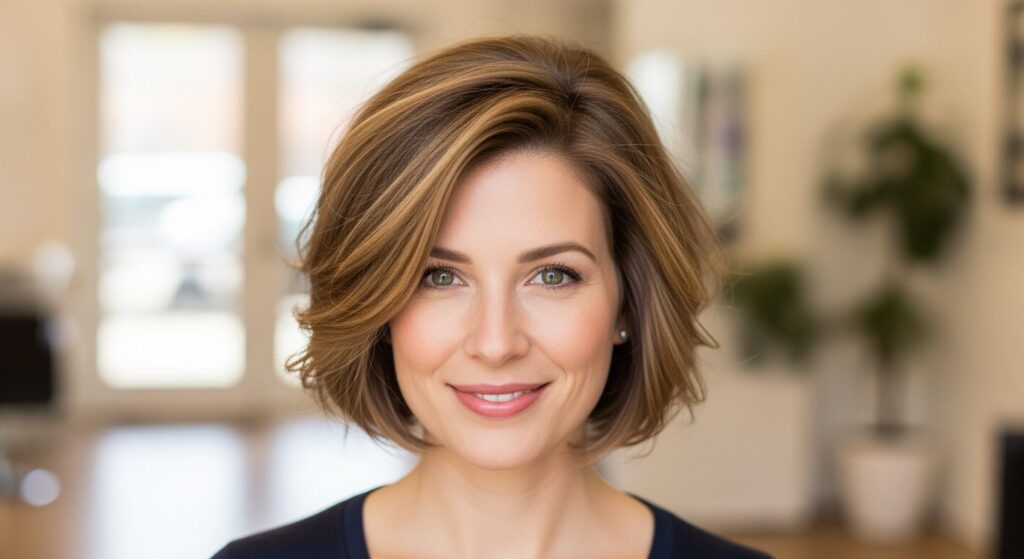
Pixie Cuts That Add Dimension to Fine Hair
The pixie cut remains one of the most effective short hairstyles for creating the appearance of thicker hair. Modern pixies feature textured layers on top that can be styled with minimal product to create height and movement. The key to a volume-enhancing pixie lies in the cutting technique—point cutting and razor texturing create soft edges that prevent fine hair from looking flat against the head. Stylists recommend keeping the sides shorter while maintaining length on top, creating a natural volume contrast that makes fine hair appear substantially thicker when styled with a lightweight volumizing mousse.
 Goodbye Hair Dye for Grey Hair: The Simple Conditioner Add-In That Restores Natural Colour Gradually
Bob Haircuts That Create Fullness for Thin Strands
Bob haircuts have evolved into perfect solutions for fine-haired individuals seeking volume. The blunt bob, cut at or above shoulder length with minimal layering, creates an instant thickness effect by forming a solid hair shape with a strong perimeter line. For those wanting more movement, the graduated bob—shorter at the back and slightly longer toward the front—distributes weight perfectly to create natural lift at the crown. These strategic cutting approaches work particularly well for fine hair because they maximize the appearance of density where it matters most.

| Bob Style | Best Length | Layering Technique | Volume Effect | Maintenance Level |
|---|---|---|---|---|
| Blunt Bob | Chin to shoulder | Minimal to none | Maximum thickness | Low to medium |
| Graduated Bob | Nape to chin | Stacked layers | Crown height | Medium |
| Asymmetrical Bob | Varied lengths | Strategic weight | Directional volume | Medium to high |
| French Bob | Jaw-length | Blunt with texture | Width and body | Low |
| Textured Bob | Chin-length | Point-cut ends | All-over movement | Medium |
Layered Short Cuts That Maximize Fine Hair Volume
Layering techniques specifically designed for fine hair differ significantly from those used on thicker hair types. The key lies in creating strategic, disconnected layers rather than excessive thinning. Short shags with face-framing layers create movement while maintaining density, while textured crops with longer pieces on top provide styling versatility and natural lift. Hairstylists emphasize that fine hair benefits most from layers that are cut to create volume rather than remove weight—a subtle but crucial distinction that prevents fine hair from appearing even thinner after cutting.
Styling Techniques That Enhance Volume in Short Fine Hair
Even the best volume-creating haircut requires proper styling to maximize its potential. For fine hair, the foundation of voluminous styling begins with the right products and techniques:
- Use lightweight volumizing products that won’t weigh hair down
- Apply root-lifting spray to damp hair before blow-drying
- Blow-dry with a round brush, lifting at the roots
- Consider mousse instead of heavy styling creams
- Use dry shampoo as a styling product for instant texture
- Avoid over-conditioning which can flatten fine hair
- Try backcombing at the crown for special occasions
Professional stylists recommend blow-drying fine hair in the opposite direction of how it will ultimately be worn, then flipping it back for maximum root lift. This technique, combined with the right volumizing products, can double the apparent thickness of short fine hair without causing damage or requiring excessive heat styling. The beauty of well-cut short styles is that they often require minimal daily styling to maintain their volume-enhancing benefits.
FAQs

Q: How often should fine hair be cut?
A: Every 4-6 weeks
Q: Are layers good for fine hair?
A: Yes, if strategically placed
Q: Can fine hair look thick?
A: Absolutely
Q: Best bob length for fine hair?
A: Chin to collarbone

Q: Should fine hair have bangs?
A: Yes, textured or side-swept