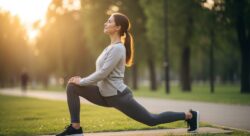
Yoga for better sleep: In a world where sleep disorders affect millions of people worldwide, finding natural remedies has become increasingly important. Recent studies suggest that incorporating gentle yoga practices before bedtime can significantly improve sleep quality without the side effects of medication. Yoga’s combination of mindful movement, controlled breathing, and relaxation techniques creates the perfect pre-sleep ritual to calm both body and mind. Today, we’re exploring three specific yoga poses that have been shown to be particularly effective for those struggling with insomnia, restlessness, or poor sleep quality – offering a simple, accessible solution that anyone can try at home tonight.
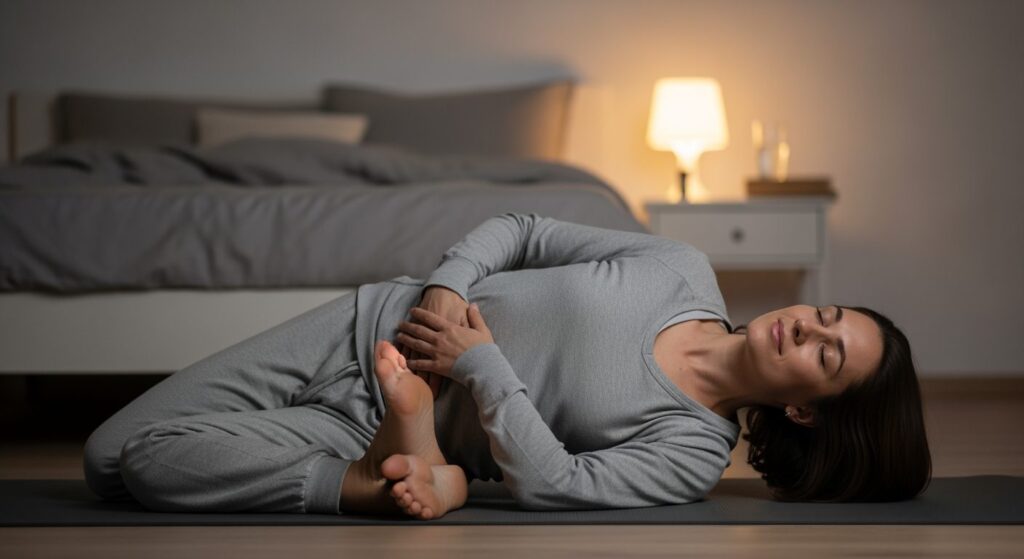
How Yoga Influences Your Sleep Patterns and Quality
The connection between yoga for better sleep and improved rest isn’t just anecdotal – it’s backed by science. When we practice gentle yoga before bedtime, our bodies experience a significant decrease in cortisol (the stress hormone) while simultaneously increasing the production of melatonin, our natural sleep hormone. This hormonal shift creates the perfect internal environment for deep, restorative sleep. Additionally, the mindfulness aspect of yoga helps quiet the mental chatter that often keeps us awake, allowing the brain to transition more smoothly into sleep mode. Regular practitioners report falling asleep faster, experiencing fewer nighttime awakenings, and waking feeling more refreshed – benefits that accumulate and strengthen over time with consistent practice.
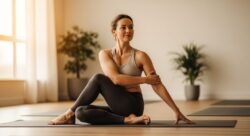
The Science Behind Yoga’s Sleep-Enhancing Benefits
Research into yoga for better sleep reveals multiple pathways through which these gentle practices improve our rest. Beyond the hormonal benefits, yoga activates the parasympathetic nervous system – our “rest and digest” mode – which counteracts the fight-or-flight response that often prevents quality sleep. The controlled breathing techniques used in yoga have been shown to lower blood pressure and heart rate, creating physiological conditions conducive to sleep. Perhaps most importantly, yoga addresses many common causes of poor sleep: physical tension, anxiety, racing thoughts, and irregular breathing patterns. By systematically releasing physical tension while calming the mind, these poses create both the physical and mental relaxation necessary for deep, restorative sleep cycles.
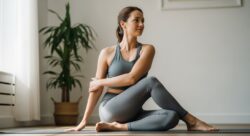
Three Powerful Yoga Poses for Improved Sleep Quality
The most effective yoga for better sleep routine focuses on gentle, restorative poses rather than energizing ones. These three poses form the foundation of an effective pre-sleep practice that can transform your nights. Each pose should be held for 3-5 minutes while focusing on slow, deep breathing to maximize relaxation benefits.
- Child’s Pose (Balasana): This gentle forward fold calms the nervous system, releases back tension, and signals to your body it’s time to rest.
- Legs-Up-The-Wall Pose (Viparita Karani): This inverted pose improves circulation, reduces leg swelling, and triggers the relaxation response.
- Corpse Pose (Savasana): The ultimate relaxation pose, training your body to completely release tension while maintaining awareness.
- Supine Spinal Twist (Supta Matsyendrasana): Releases lower back tension and digestive discomfort that can interfere with sleep.
- Reclined Butterfly (Supta Baddha Konasana): Opens hips and chest while promoting deep abdominal breathing for relaxation.
Creating Your Personalized Bedtime Yoga Routine for Better Sleep
Developing a consistent yoga for better sleep practice requires thoughtful planning to ensure it becomes a sustainable habit. The ideal time to practice these poses is 30-60 minutes before your intended bedtime, allowing your body to fully absorb the relaxation benefits. Create a dedicated space in your bedroom with minimal distractions, dim lighting, and comfortable props like pillows and blankets to support your practice. The table below outlines a complete 15-minute bedtime routine that incorporates all three recommended poses along with complementary techniques for maximum sleep benefits.
| Time | Pose/Activity | Duration | Breathing Technique | Benefits |
|---|---|---|---|---|
| 0-2 min | Seated Breathing | 2 minutes | 4-7-8 Breath | Initiates relaxation response |
| 2-5 min | Child’s Pose | 3 minutes | Deep belly breathing | Releases back tension, calms mind |
| 5-10 min | Legs-Up-The-Wall | 5 minutes | Extended exhales | Improves circulation, reduces anxiety |
| 10-15 min | Corpse Pose | 5 minutes | Natural breathing | Deep relaxation, prepares for sleep |
| 15 min | Transition to bed | Immediate | Continued awareness | Maintains relaxation into sleep |
Yoga for better sleep offers a natural, accessible solution to sleep challenges that affect so many of us. Unlike sleep medications that may cause dependency or side effects, these gentle poses address the root causes of sleep difficulties by releasing physical tension, calming the nervous system, and quieting the mind. The beauty of this approach lies in its simplicity – no special equipment or extensive training is required, just a willingness to dedicate a few minutes each evening to your wellbeing. As with any wellness practice, consistency is key. Many practitioners report noticeable improvements within just a week of regular practice, with benefits continuing to accumulate over time. If you’re among the millions struggling with sleep issues, these three gentle yoga poses might just be the natural solution you’ve been searching for.
FAQs

Q: How long should I hold each yoga pose?
A: 3-5 minutes each
Q: Can I practice these poses in bed?
A: Yes, if comfortable
Q: Will yoga help with insomnia?
A: Most likely yes
Q: When is the best time to practice?
A: 30-60 minutes before bedtime

Q: Do I need yoga experience?
A: No experience necessary