Yoga for flexibility: In today’s increasingly sedentary world, body stiffness has become a common complaint affecting people of all ages. Whether from long hours at a desk, repetitive movements, or simply the natural aging process, this stiffness can significantly impact our quality of life and mobility. Yoga, an ancient practice combining physical postures, breathing techniques, and mindfulness, offers a natural solution to combat body rigidity and enhance flexibility. The following 12 yoga poses have been specifically selected to target common areas of tension, helping to release stiffness, improve range of motion, and bring greater comfort to daily activities.
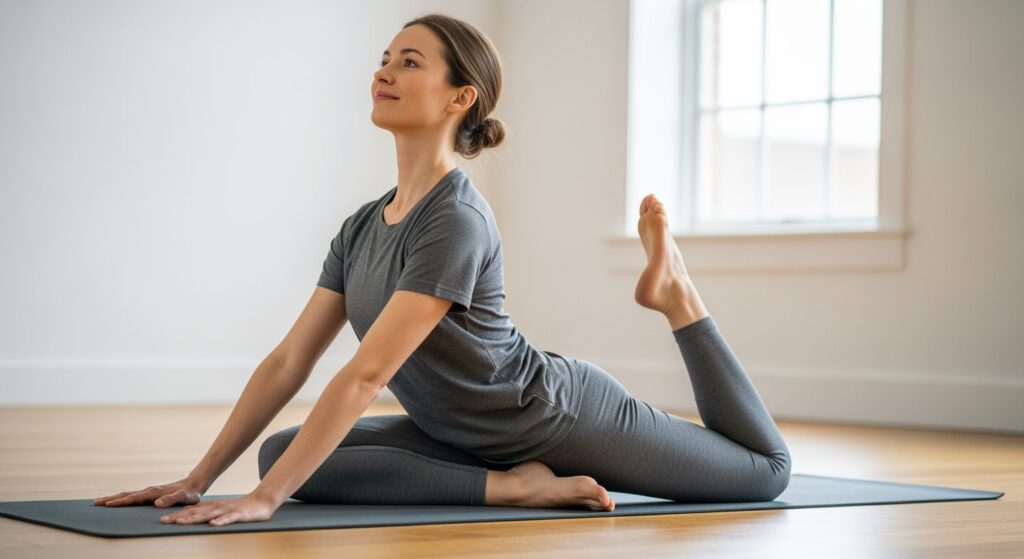
Essential Yoga Poses for Releasing Whole-Body Stiffness
Understanding how to properly execute yoga poses for flexibility is crucial for maximizing their benefits while minimizing injury risk. Each of the 12 poses works by gently stretching and strengthening specific muscle groups, gradually increasing your body’s overall flexibility. Regular practice of these poses can help release tension that accumulates in the shoulders, back, hips, and legs – areas particularly prone to stiffness from modern lifestyles. Beyond physical benefits, these poses also promote mental relaxation, which further helps muscles release chronic tension patterns that contribute to stiffness.

How Yoga Flexibility Poses Improve Daily Comfort
The flexibility gained through regular yoga practice translates directly into improved comfort during everyday activities. When your muscles and joints move through their full range of motion with ease, simple tasks like bending to tie shoes, reaching overhead cabinets, or turning to check blind spots while driving become effortless. Additionally, enhanced flexibility helps maintain proper posture, reducing strain on the spine and preventing the development of pain patterns. Many practitioners report that consistent yoga practice not only improves their physical comfort but also enhances their sleep quality, energy levels, and overall sense of well-being.

Top Yoga Flexibility Poses for Beginners and Intermediates
If you’re new to yoga or working with limited flexibility, these poses offer accessible starting points while still providing significant benefits for releasing stiffness. Begin with these fundamental yoga flexibility poses and gradually progress as your body adapts:
| Pose Name | Primary Area Targeted | Difficulty Level | Hold Time | Key Benefit |
|---|---|---|---|---|
| Child’s Pose | Back, Shoulders | Beginner | 1-3 minutes | Gentle spine extension |
| Cat-Cow Stretch | Spine | Beginner | 10-12 breaths | Spinal mobility |
| Downward-Facing Dog | Full Body | Beginner-Intermediate | 5-10 breaths | Hamstring and shoulder opening |
| Cobra Pose | Chest, Abdomen | Beginner | 3-5 breaths | Spine flexibility |
| Seated Forward Fold | Hamstrings, Lower Back | Beginner | 1-2 minutes | Deep hamstring release |
Advanced Yoga Poses for Maximum Flexibility Benefits
As your practice develops and your body becomes more responsive, incorporating these more challenging yoga flexibility poses can help break through plateaus and address deeper patterns of stiffness. These poses require greater body awareness and control but offer profound benefits for releasing chronic tension:
- Pigeon Pose – Targets deep hip rotators and relieves sciatic pain
- Bow Pose – Opens the entire front body and strengthens the back
- Camel Pose – Counteracts rounded shoulders and improves posture
- Dancer’s Pose – Combines balance with deep hip and shoulder opening
- Wide-Legged Forward Fold – Releases inner thighs and lower back
- Bridge Pose – Strengthens posterior chain while opening chest
- Seated Spinal Twist – Improves spinal mobility and digestion
FAQs
Q: How often should I practice these poses?
A: Daily or 3-4 times weekly
Q: When will I notice improved flexibility?
A: 2-4 weeks typically
Q: Can seniors do these poses?
A: Yes, with modifications
Q: Should poses be painful?
A: Never painful
 Simple Morning Hydration Routine That Enhances Skin Glow and Sustains Energy Throughout the Day
Q: Do I need special equipment?
A: Just a yoga mat